


[Event Report] Global Symposium on “Redesigning Adult Vaccine Policies for Super-Aging Societies: What Role Should Vaccines Play to Encourage Healthy Aging and Support Economic Growth in Japan, Asia-Pacific and Beyond?” (March 11, 2026)
date : 5/20/2026
Tags: Vaccinations

![[Event Report] Global Symposium on “Redesigning Adult Vaccine Policies for Super-Aging Societies: What Role Should Vaccines Play to Encourage Healthy Aging and Support Economic Growth in Japan, Asia-Pacific and Beyond?” (March 11, 2026)](https://hgpi.org/en/wp-content/uploads/sites/2/Adult-Vaccines-Symposium_20260422-1.png)
On March 11, 2026, Global Coalition on Aging (GCOA) and Asia-Pacific Coalition for Healthy Aging and Adult Immunization (AP-CHAAI), in collaboration with Health and Global Policy Institute (HGPI), hosted a roundtable on healthy longevity and adult immunization at the International House of Japan in Tokyo.
Many countries across the Asia-Pacific are rapidly aging, and this is particularly evident in Japan, where nearly half of the population is now over the age of 50. As the population ages, the burden of social security, including healthcare and long-term care, continues to grow, while creating an environment in which the working-age population can stay healthy and remain in the workforce longer is becoming a key priority for achieving both healthcare cost containment and economic growth.
To this end, expanding the use of adult vaccines is expected to play an important role. Research has shown that adult vaccination not only prevents infectious diseases, but can also help prevent the progression of chronic diseases, reduce overall mortality, improve productivity, and lower healthcare expenditure. Despite these potential benefits, however, adult vaccines often receive less systematic support than pediatric vaccines. In Japan, for example, most adult vaccines are classified as “Category B,” meaning that vaccination is voluntary and public funding is relatively limited.
As Japan’s super-aging society continues to advance and healthcare and long-term care needs become more diverse, it will be increasingly important to reconsider the role of adult vaccines and to explore policy measures that can promote higher uptake. At the same time, as populations age across the Asia-Pacific region, there is growing value in sharing lessons from Japan and from the experiences of other countries. Against this backdrop, this symposium focused on adult vaccination and the future of immunization policy, bringing together experts from Japan and abroad to examine these issues from health, ethical, economic, and healthcare system sustainability perspectives.
Key Discussion Points
- Shifting the global aging narrative from longer life to healthier longevity, linking demographic change to economic growth through the silver economy
- Building on the 20th-century public health advances that drove longevity (sanitation, antibiotics, and childhood immunization), adult immunization should now be positioned as a core component of healthy longevity, serving simultaneously as a health, social security, economic, and antimicrobial resistance (AMR) measure
- Adopting a life-course approach to immunization, moving beyond childhood-focused programs to ensure vaccine coverage across all age groups
- Japan’s landmark revision of its National Immunization Plan — the first in eleven years — and the development of a science-based framework tailored to a super-aging society
- Combating vaccine misinformation and building clear, evidence-based communication strategies to protect public trust and sustain vaccine uptake
- Strengthening surveillance and data systems to support robust monitoring, evaluation, and evidence-based policymaking for adult immunization
- Demonstrating the return on investment of adult vaccination by quantifying avoided hospitalizations, long-term care costs, and gains from maintaining older adults’ workforce participation
- Integrating adult vaccination into chronic disease management and primary care, supported by digital tools and behavioral incentives to improve uptake
- Ensuring equitable access by strengthening local government capacity, backed by central government funding and technical support
- Building Asia-Pacific and global collaboration to share lessons, close financing gaps, and scale adult immunization programs across rapidly aging societies
- Engaging multi-sector actors such as governments, employers, community leaders, and financial institutions to move healthy aging initiatives from policy to practice
[Event Overview]
- Date & Time: Wednesday, March 11, 2026, 16:00-18:00 JST
- Format: In-person (Invitation-only)
- Venue: International House of Japan (5-11-16 Roppongi, Minato-ku, Tokyo)
- Language: Japanese and English (with simultaneous interpretation)
- Co-Host: Global Coalition on Aging
Asia-Pacific Coalition for Health Aging and Adult Immunization - In collaboration with: Health and Global Policy Institute (HGPI)
[Program] (Titles omitted, no particular order)
| 16:00-16:15 | Welcome and Introduction | |||||||
| Mike Hodin (CEO, Global Coalition on Aging) | 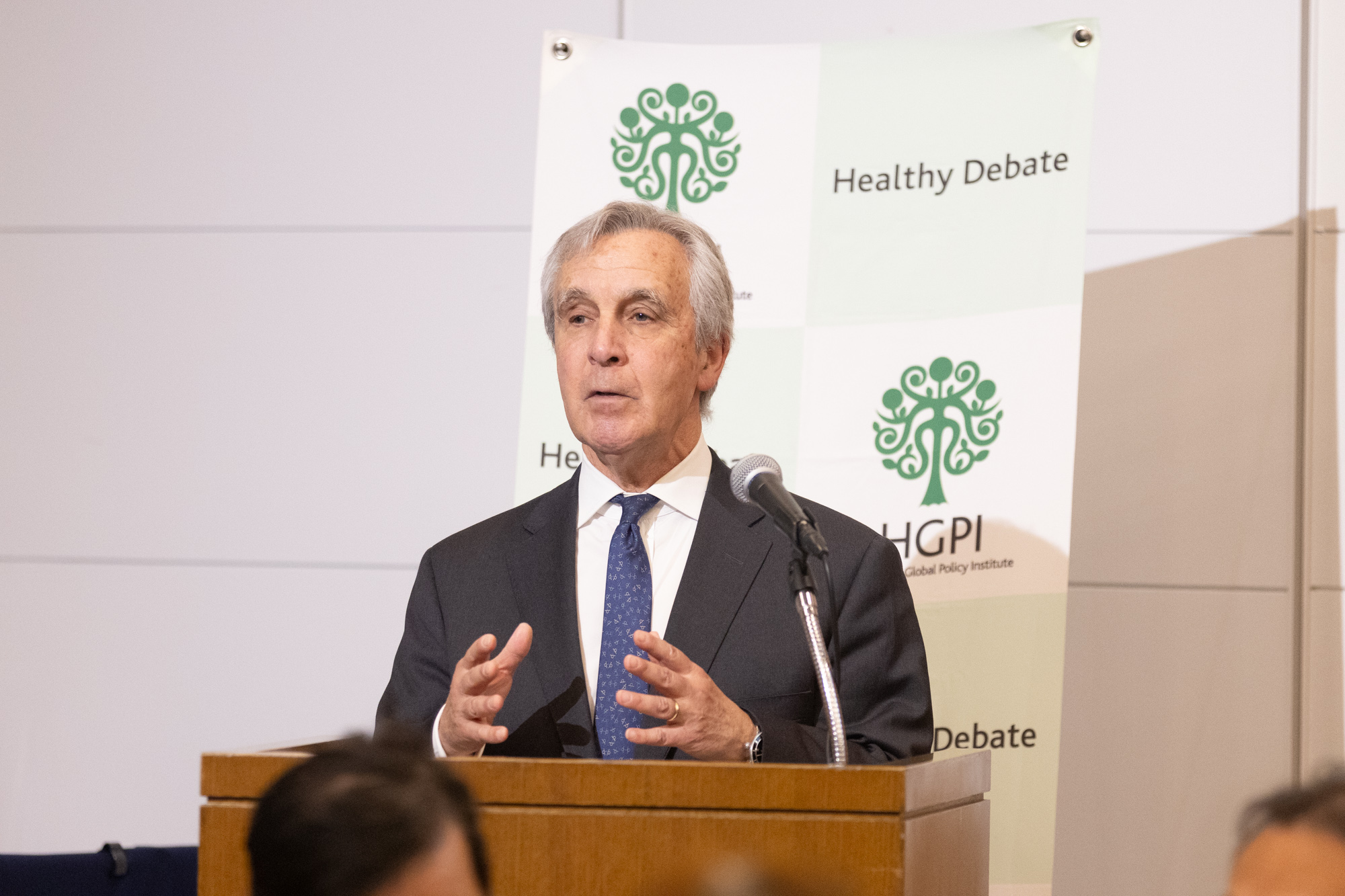 |
|||||||
| Ryoji Noritake (Chair, Health and Global Policy Institute) | 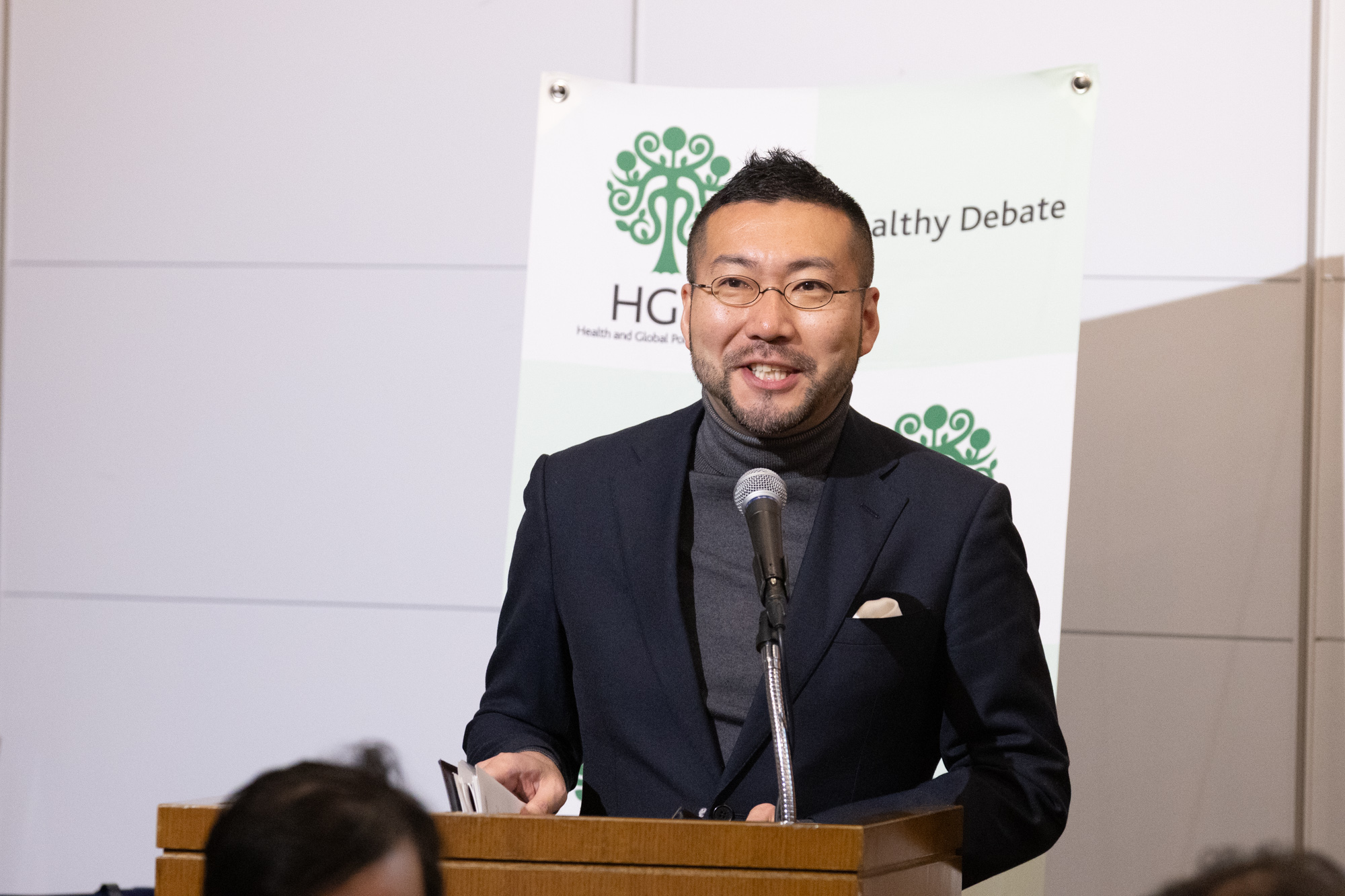 |
|||||||
| 16:15-16:20 | Video Message “The Rise of the Silver Economy: Preventive Health, Healthy Aging, and Growth” | |||||||
| Ian Barr (Deputy Director, WHO Collaborating Centre for Reference and Research on Influenza / Steering Committee Member, AP-CHAAI) Bertrand Gruss (Deputy Division Chief, World Economic Studies, International Monetary Fund (IMF)) |
 |
|||||||
| 16:20 -16:35 | Keynote Presentation “Issues and Outlook for the Future of Adult Vaccines” | |||||||
| Hitoshi Oshitani (Professor, Department of Virology, Tohoku University Graduate School of Medicine) | 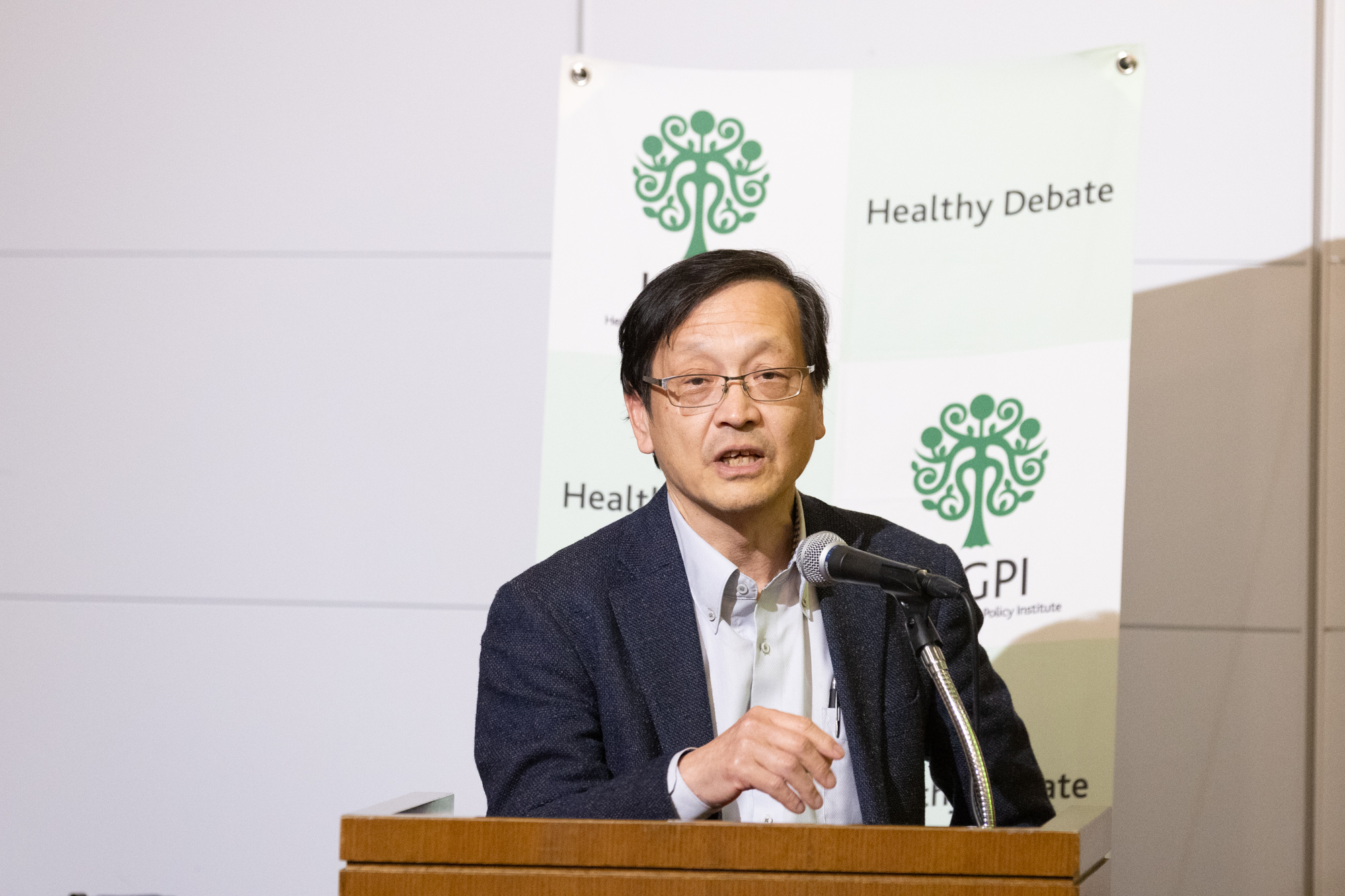 |
|||||||
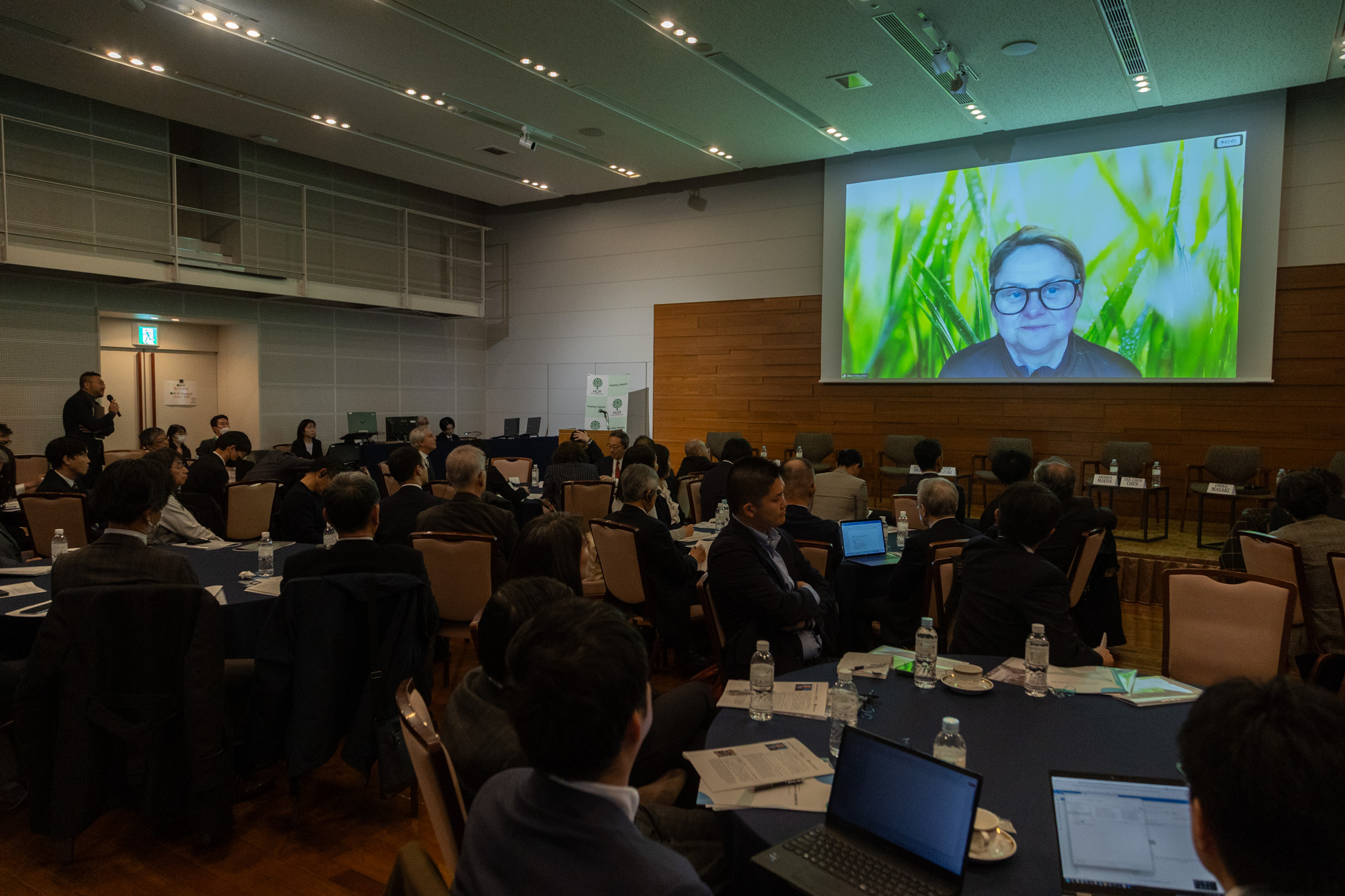
| 16:35-16:45 | Case Study “Adult Vaccine Policy at the Municipal-level” | |||||||
| Warren Heppolette (Director of Prevention Demonstrator, Greater Manchester Combined Authority, UK) Gillian McLauchlan (Director of Public Health Commissioning & Protection, Salford City Council, UK) |
 |
|||||||
| 16:45-17:55 | Panel Discussion “Adapting Vaccine Policies for Super-Aging Societies” | |||||||
|
Panelists: * On the day of the meeting, Manabu Sumi was represented by Akihisa Maeda, Director, Vaccination Division, Department of Infectious Disease Prevention and Control, Ministry of Health, Labour and Welfare Moderators: |
||||||||
|
||||||||
| 17:55-18:00 | Closing Remarks | |||||||
| Hirobumi Niki (Member, House of Representatives) | 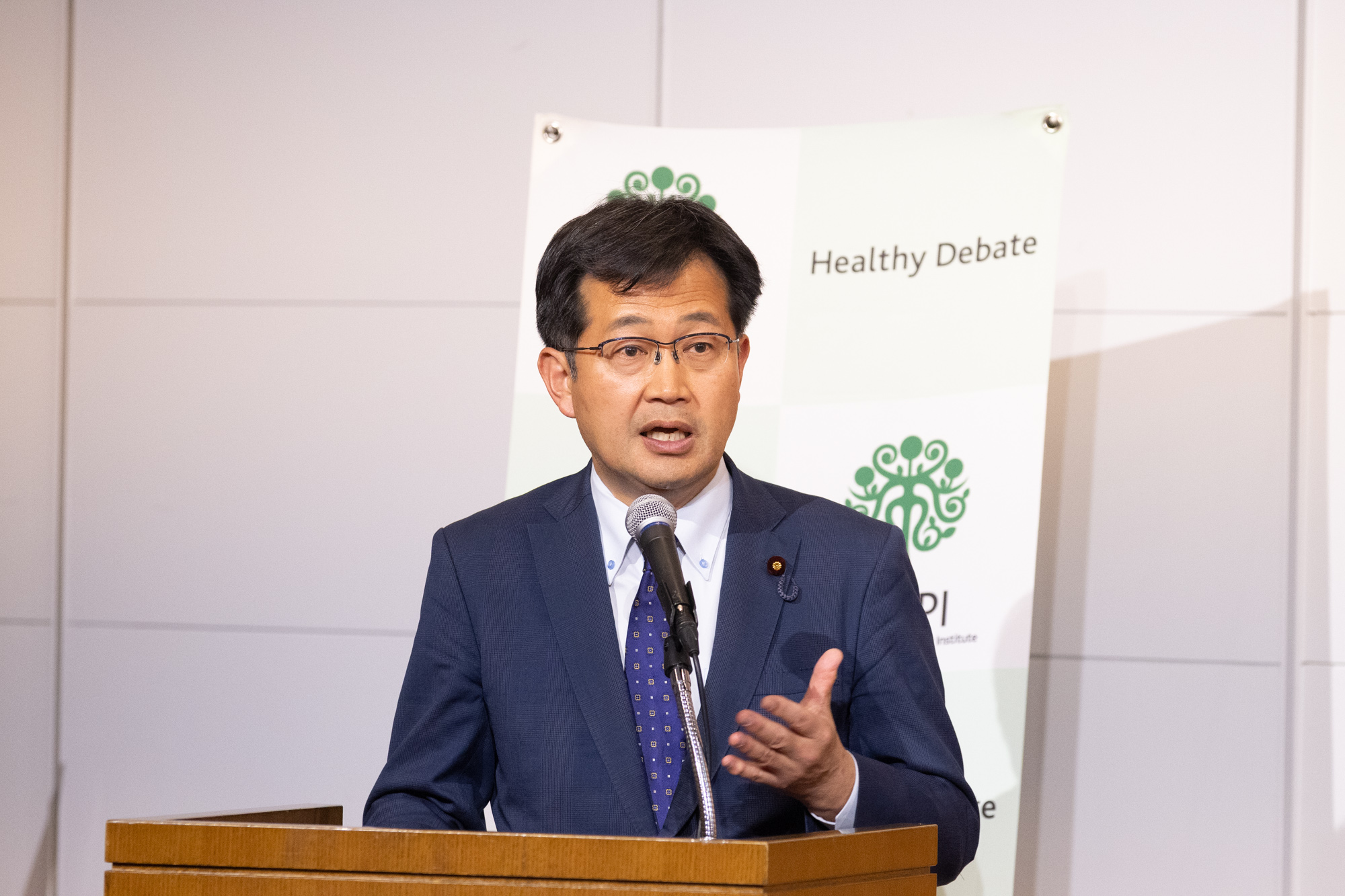 |
|||||||
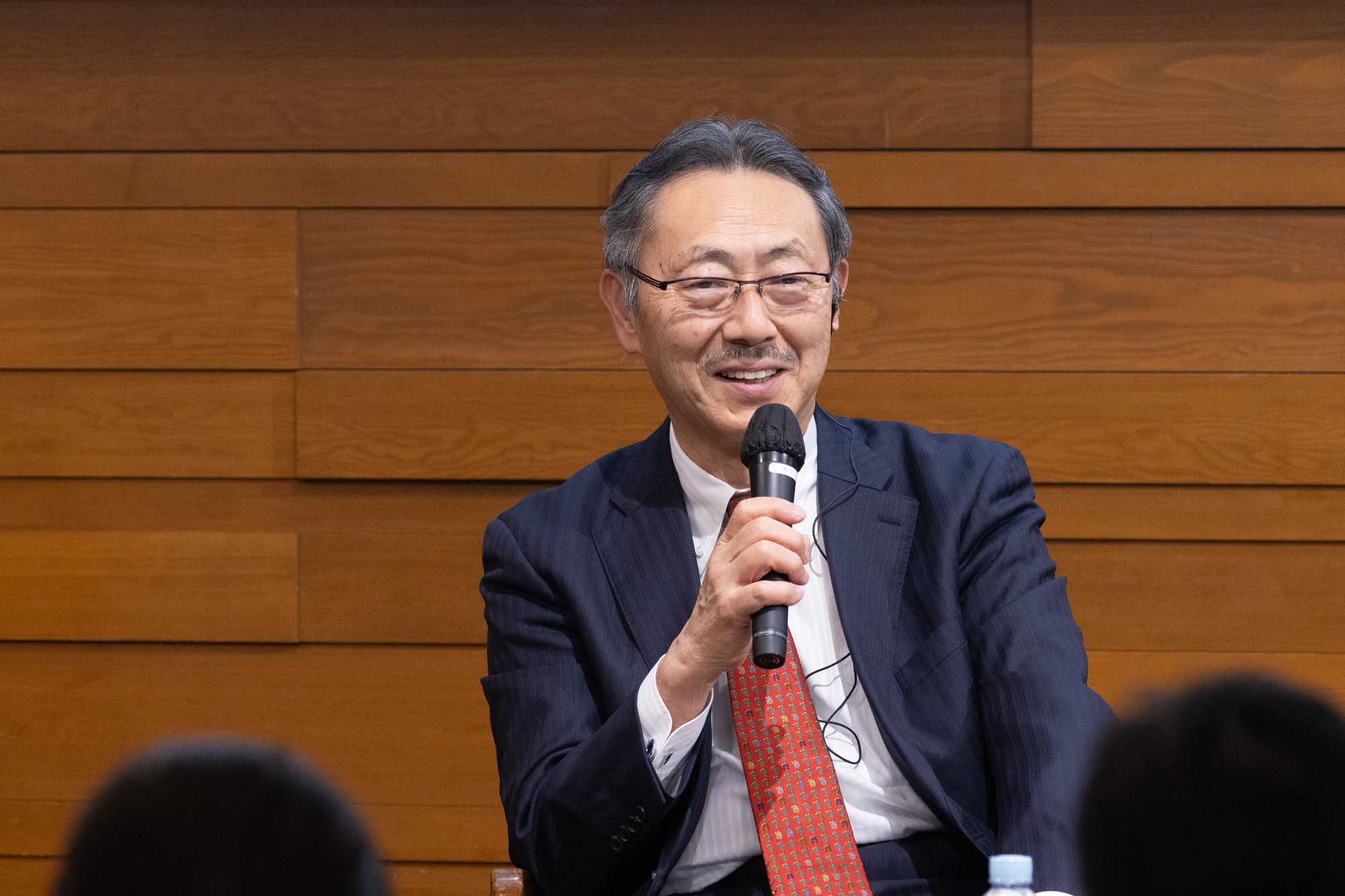
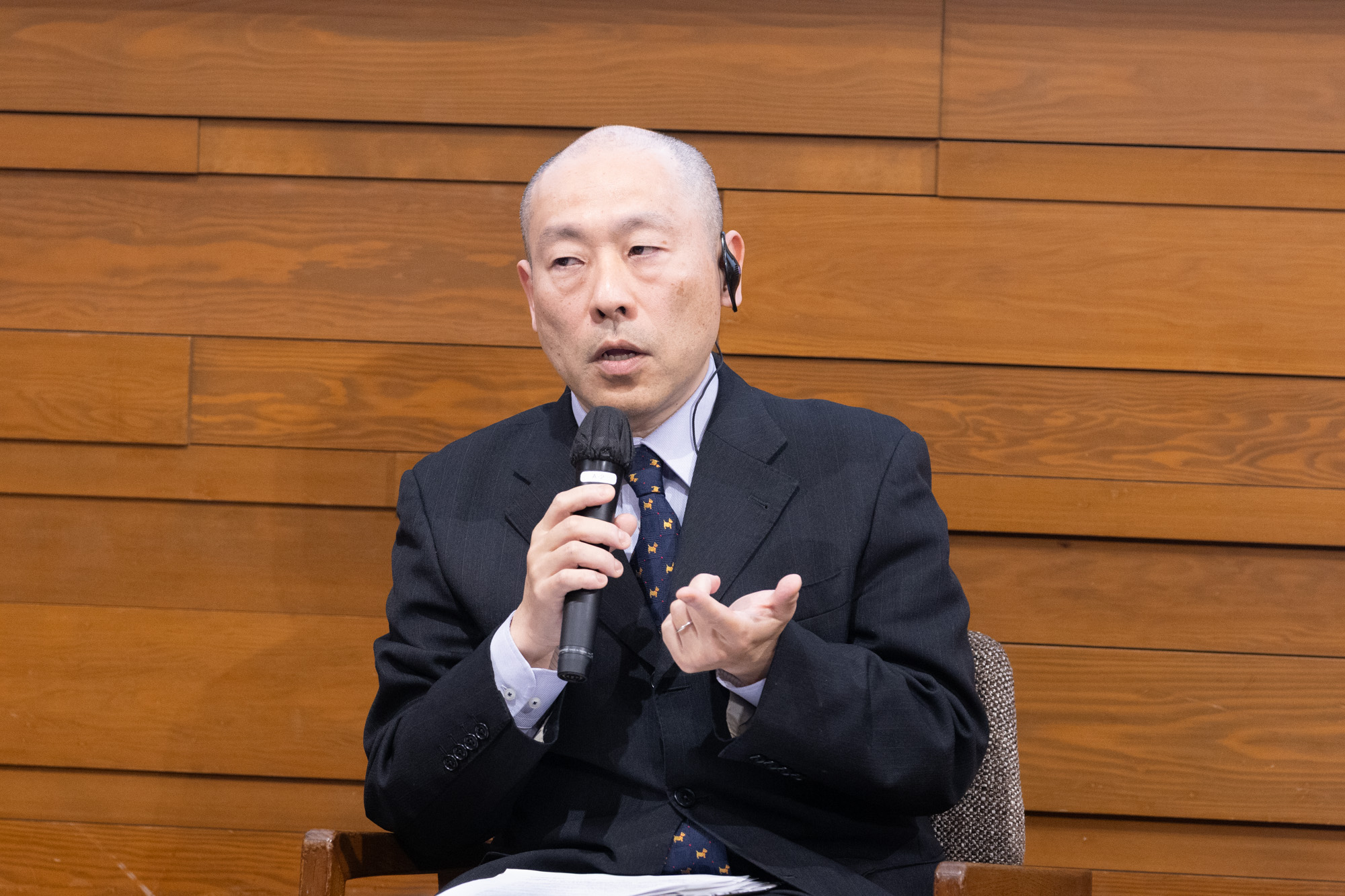
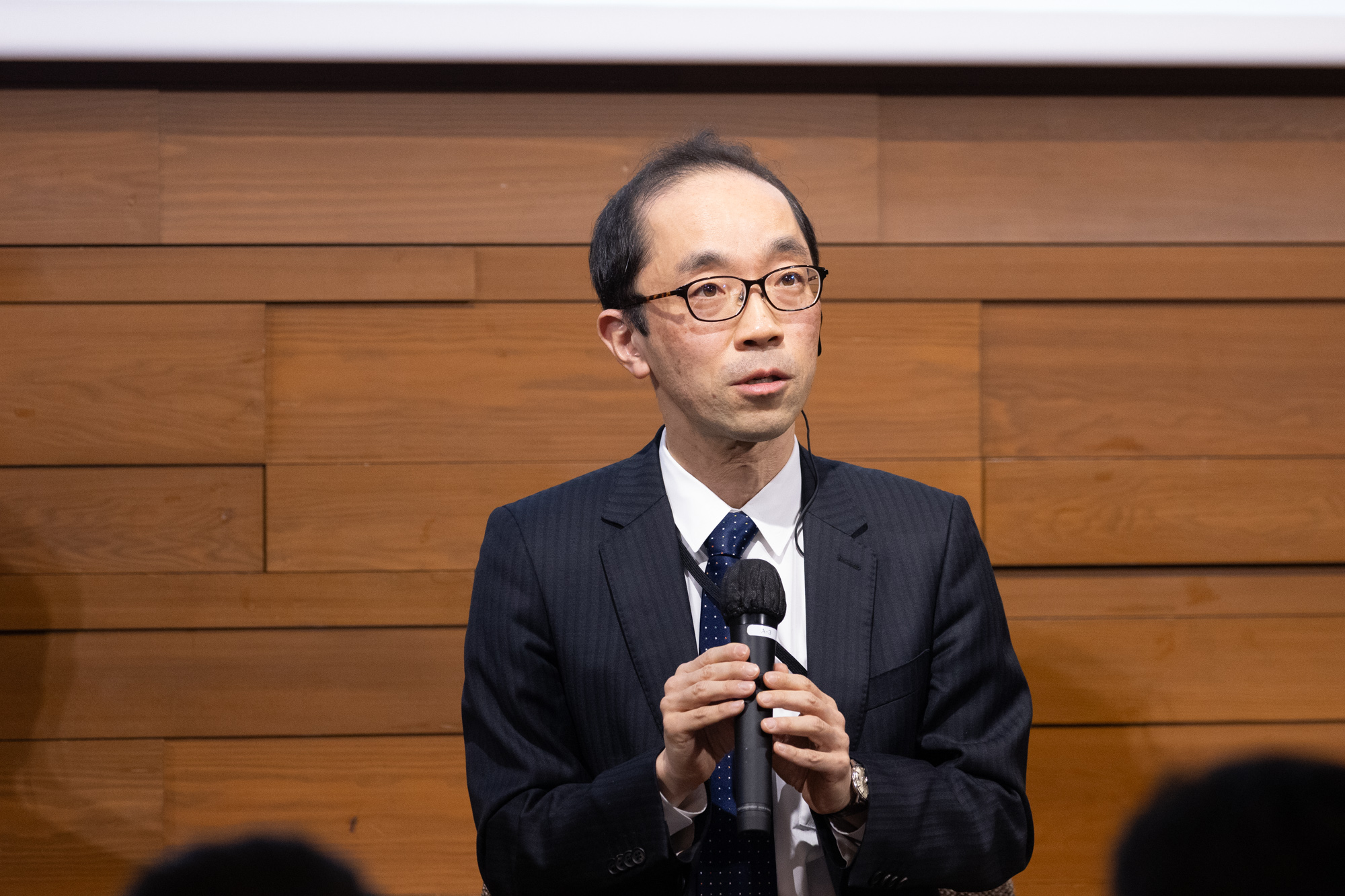
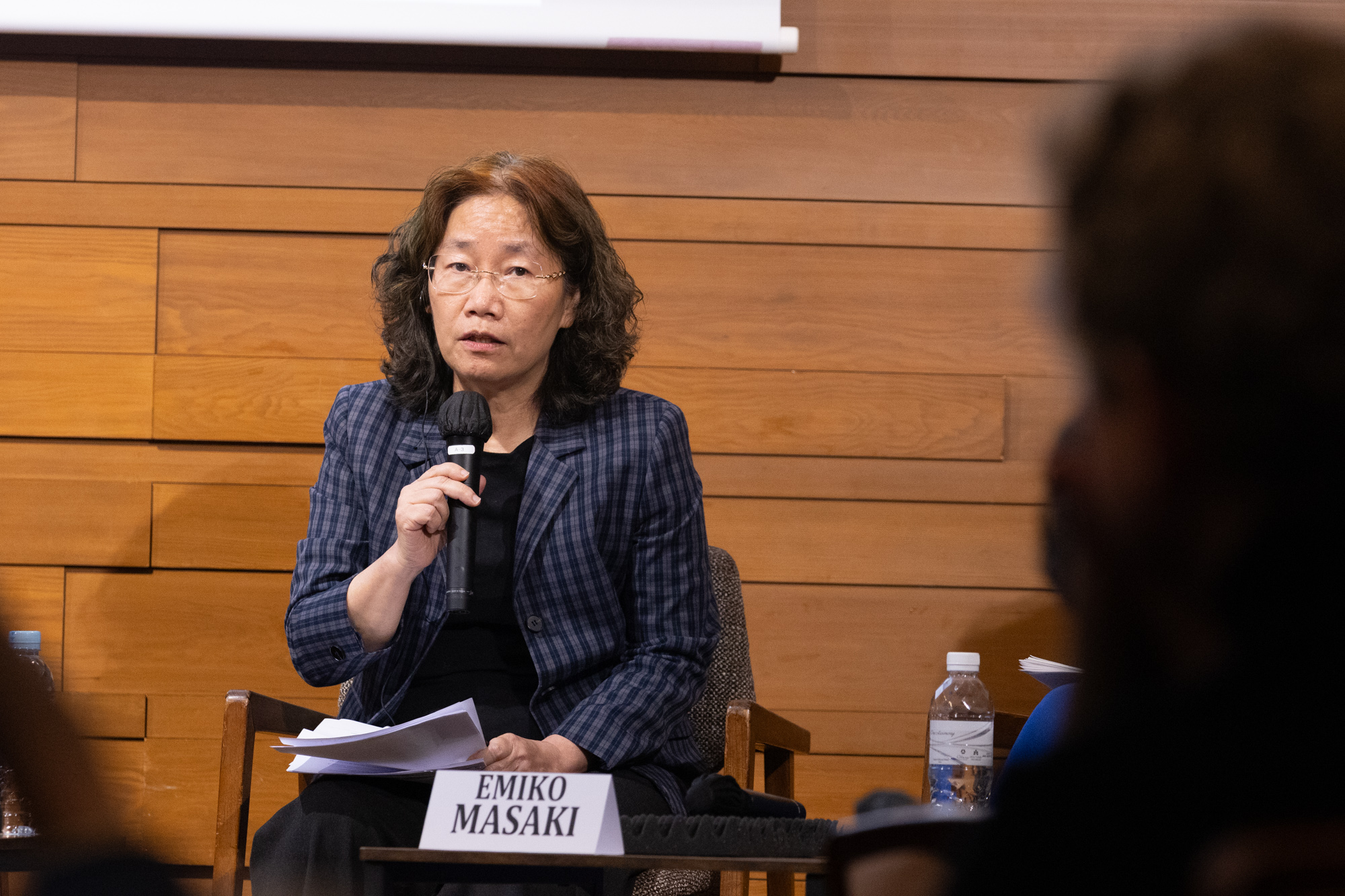
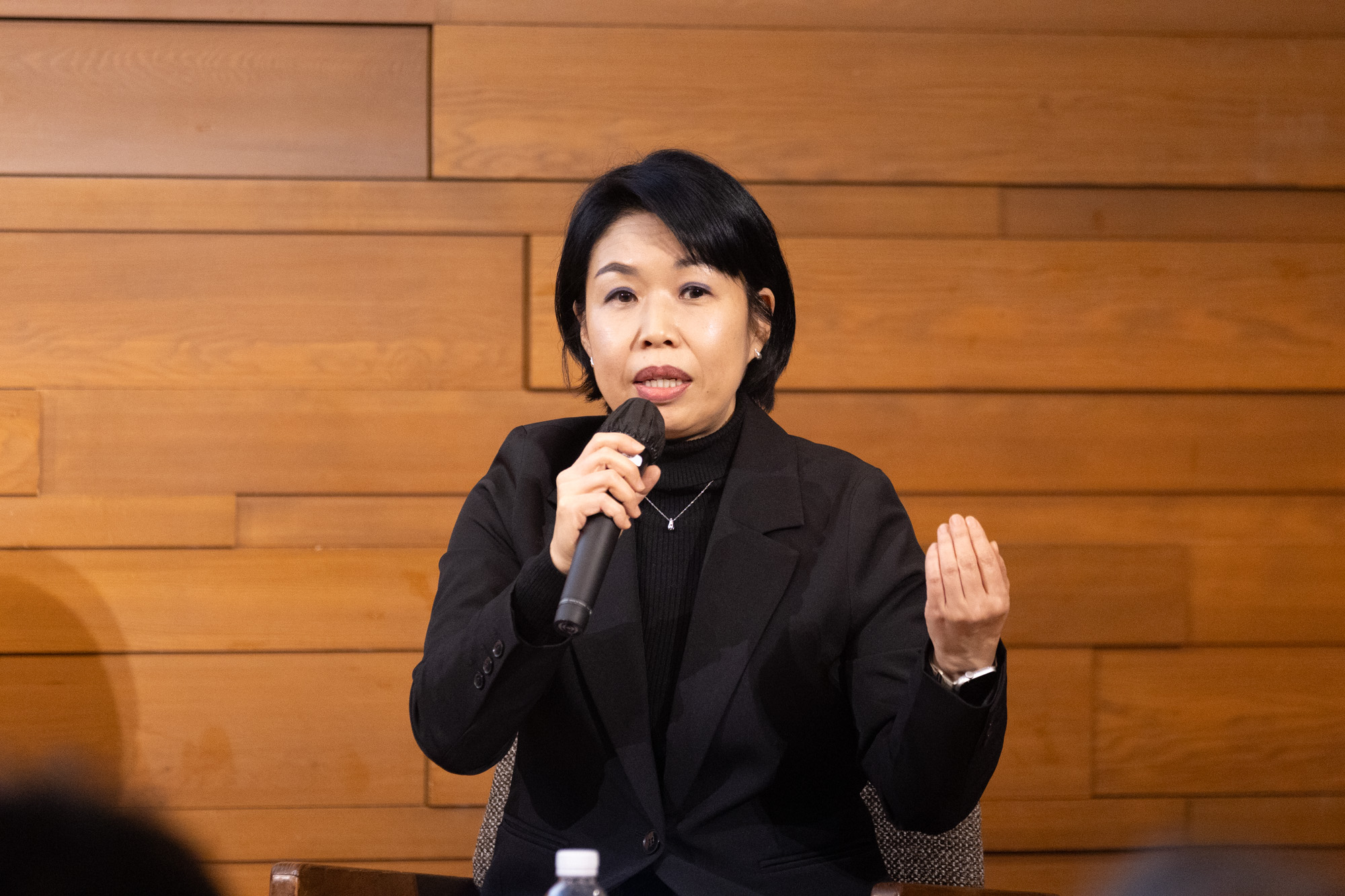
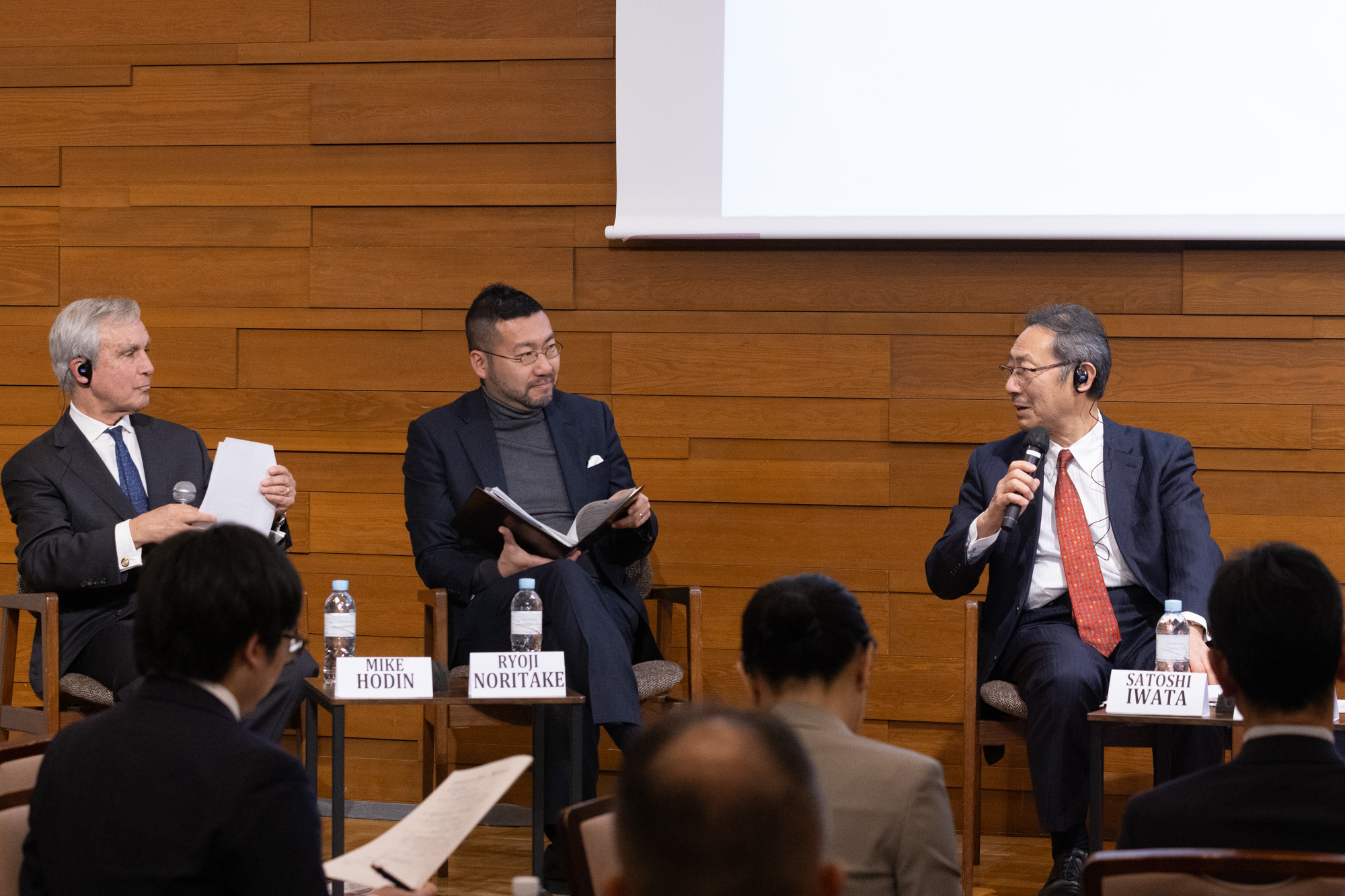
(Photographed by: Kazunori Izawa)
Related Posts
-

2026-05-18
[Registration Open] Kick-off Panel Discussion “From Japan and Africa, in Discussion with the World: Cultivating Together a Philosophical Dialogue on Health” (June 15, 2026)
-
2026-01-26
[Policy Recommendations] Reshaping Japan’s Immunization Policy for Life Course Coverage and Vaccine Equity: Challenges and Prospects for an Era of Prevention and Health Promotion (April 25, 2025)
-
2025-08-27
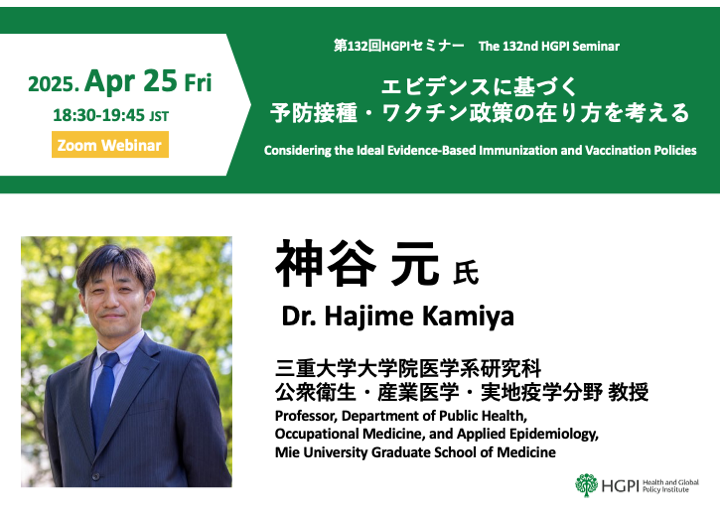
[Event Report] The 132nd HGPI Seminar “Considering the Ideal Evidence-Based Immunization and Vaccination Policies” (April 25, 2025)
Top Research & Recommendations Posts
- [Research Report] Energy Conservation and Greenhouse Gas Emissions Reduction in Healthcare Facilities: Case Studies from New Construction and Facility Renewal (March 16, 2026)
- [Research Report] Perceptions, Knowledge, Actions and Perspectives of Healthcare Organizations in Japan in Relation to Climate Change and Health: A Cross-Sectional Study (November 13, 2025)
- [Public Comment Submission] “The 7th Science, Technology and Innovation Basic Plan” (Draft) (February 19, 2026)
- [Research Report] The 2025 Public Opinion Survey on Healthcare in Japan (March 17, 2025)
- [Research Report] The 2026 Public Opinion Survey on Healthcare in Japan (February 13, 2026)
- [Policy Recommendations] Dementia Project “The Future of Dementia Policy Surrounding Families and Others Who Care for People with Dementia” (April 27, 2026)
- [Publication Report] Future of the Healthcare System Project “Policy roadmaps for acting early on NCDs” (March, 2026)
- [Policy Recommendations] Mental Health Project: Recommendations on Three Issues in the Area of Mental Health (July 4, 2025)
- [Policy Recommendations] Developing a National Health and Climate Strategy for Japan (June 26, 2024)
- [Research Report] Building a Mental Health Program for Children and Measuring its Effectiveness (June 16, 2022)
Featured Posts
-
2026-05-13
[Registration Open] HGPI Salon 2025-2026 Looking Ahead to the Future of Japan’s Social Security System “Session 5: The Value of Healthcare in Society – Perspectives from the Reiwa Era” (June 29, 2026)
![[Registration Open] HGPI Salon 2025-2026 Looking Ahead to the Future of Japan’s Social Security System “Session 5: The Value of Healthcare in Society – Perspectives from the Reiwa Era” (June 29, 2026)](https://hgpi.org/en/wp-content/uploads/sites/2/5thHGPISalon_20260629.png)
-
2026-05-15
[Registration Open] (Webinar) The 2nd J-PEP Seminar – A New Framework for Providing Information on Clinical Trial Participant Recruitment – Legal Points to Consider from the Perspective of Meaningful Involvement (June 15, 2026)
![[Registration Open] (Webinar) The 2nd J-PEP Seminar – A New Framework for Providing Information on Clinical Trial Participant Recruitment – Legal Points to Consider from the Perspective of Meaningful Involvement (June 15, 2026)](https://hgpi.org/en/wp-content/uploads/sites/2/HGPI_20260615_The2nd-J-PEPseminar.jpg)
-
2026-05-18
[Registration Open] Kick-off Panel Discussion “From Japan and Africa, in Discussion with the World: Cultivating Together a Philosophical Dialogue on Health” (June 15, 2026)
-
2026-05-19
[Registration Open] (Webinar) HGPI Special Seminar “Building a Society Where People Live with Blood Disorders: The Future of Blood Disorder Policy as Examined from the Frontlines of Home-Based Care × Lived Experience Research” (June 12, 2026)
![[Registration Open] (Webinar) HGPI Special Seminar “Building a Society Where People Live with Blood Disorders: The Future of Blood Disorder Policy as Examined from the Frontlines of Home-Based Care × Lived Experience Research” (June 12, 2026)](https://hgpi.org/en/wp-content/uploads/sites/2/HGPI_20260515_HGPI-Special-Seminar-Blood-Disorders.png)
